

561-833-1747 www.flalger-rehab.com

 Did you know that YOU have the right to choose your physical therapist? When you get a physical therapy referral from your physician, you can visit any provider you like. It's common for the physician's office to recommend a provider if the office is familiar with or has an affiliation with that provider. The choice is yours. You can either visit the provider recommended by your physician, or any other provider that you feel comfortable with.
 As a consumer, you have the opportunity to research your physical therapy provider before you make a decision. After all, you want to feel comfortable with your decision. Here are a few guidelines to keep in mind when choosing your physical therapist:
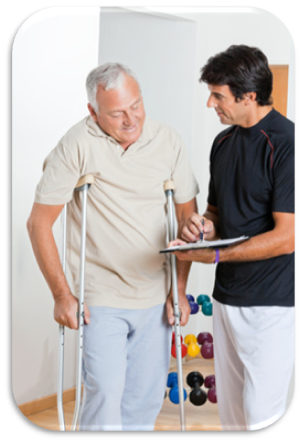 Your first visit to your physical therapist office will include a detailed initial evaluation. This evaluation will help the therapist to identify your problems using special testing procedures.
 Getting your child involved in sports is an excellent way to encourage exercise and prevent childhood obesity. This is a proud feeling for every parent, and the expectation is that the child will have fun, gain confidence and interact with other children in the process.
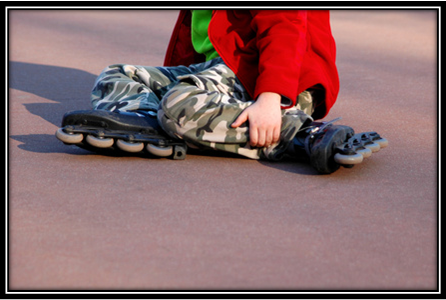 Specially trained in anatomy and physiology, a physical therapist will design a delicate, yet effective exercise program to help restore muscle balance and improve mobility in your child. The therapist will be aware of the child's limitations and will do everything possible to facilitate recovery as quickly as possible. Children tend to get restless during recovery, and a physical therapist will patiently work with the child to achieve compliance during the recovery process.
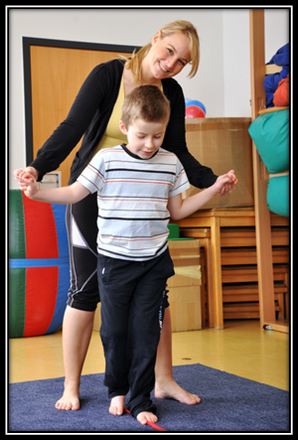 Although physical therapy can help children in the recovery process following an injury, there is a lot more that the therapist can do. As a parent, you can expect the physical therapist to use a variety of techniques to strengthen muscles and improve joint mobility. The therapist will make the exercises fun and interesting, and your child won't realize that he or she is 'being treated.' As a parent, you should encourage your child to participate and 'play along' with the treatment. The physical therapist may use play techniques including crawling, playing follow the leader, facilitating balance and coordination activities using beams, balls and other objects.
|
Physical Therapy Helps!
|
|
|
Physical Therapy In Sports: Golf Highlight
|
|
 Posture,
fitness, and flexibility are critical to help remain fit and injury-free for any
sport, particularly golf. Posture,
fitness, and flexibility are critical to help remain fit and injury-free for any
sport, particularly golf.
The
achievements of professional golfers like Tiger Woods, Phil Mickelson and Lorena
Ochoa highlight a new athleticism associated with a sport that was once
considered "leisurely." Today's men and women golfers, both amateurs and
professionals, are training to be stronger and more flexible, capable of far
powerful swings than ever before.
According to
the American Physical Therapy Association (APTA), awareness of proper posture
and the importance of fitness and flexibility are just as important for weekend
golfers as they are for professional athletes. Most athletes, including golfers
spend thousands of dollars each year on new and improved equipment, but the most
important piece of equipment is the human body.
Did you
know:
| |
|
Golf Conditioning By Your Physical
Therapist
|
|
 Just like any
professional sport, there has been a significant increase in injuries among
professional golfers, primarily because of the increased physical stress and
intense training associated with the sport. Strength, flexibility, and endurance
are just as important as exceptional driving distance and keen putting skills. Just like any
professional sport, there has been a significant increase in injuries among
professional golfers, primarily because of the increased physical stress and
intense training associated with the sport. Strength, flexibility, and endurance
are just as important as exceptional driving distance and keen putting skills.
It is now the
norm, not the exception, for professional and non-professional men and women
golfers to work with physical therapists to improve these factors. For golfers
to improve their swing, it is vital that these programs be tailored to their
individual skills. There are certain types of training that may actually hinder
- not help - athletes. What works for someone else may not work for you!
Call us today
to find out what you are missing in your training as you aim to excel at your
sport. We can help condition you for all sports, not just golf.
| |
|
Keeping Injuries Away
|
|
 Professional
golfers make it look easy, but the golf swing is actually one of
the most difficult and complicated movements in all of sports, requiring
stability in some joints and flexibility in others. The ability to coordinate
motion, strength, and function throughout the swing play a large role in
preventing injuries. A better swing means a more accurate ball strike, greater
distance, and less stress on the muscles and joints. Professional
golfers make it look easy, but the golf swing is actually one of
the most difficult and complicated movements in all of sports, requiring
stability in some joints and flexibility in others. The ability to coordinate
motion, strength, and function throughout the swing play a large role in
preventing injuries. A better swing means a more accurate ball strike, greater
distance, and less stress on the muscles and joints.
Our physical
therapists work with individuals in all sports. We have observed that
recreational golfers often complaining of spine-related injuries, including
upper and lower back, shoulder and neck pain. Leisure golfers attempt to swing
with the speed and force of professional athletes, but did you know that with
each swing 7 to 8 times a golfer's weight is directed into the
spine?
With this kind
of force, it's easy to damage discs and strain muscles. Multiple core (not just
abdomen) stabilization exercises are critical for golfers. Pilates programs are
an example of excellent injury-prevention tools that can ultimately help golfers
improve their performance.
Golfers of all
ages and abilities should make a habit of the following:
If you or a friend require help or need information to direct you to the proper care please call.
The Flagler Institute for Rehabilitation, Inc.
561-833-1747
| |
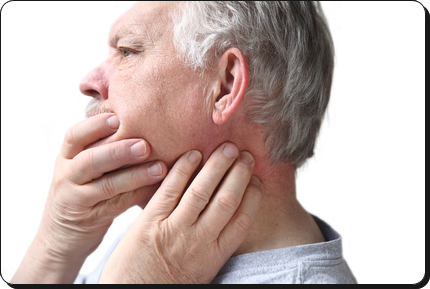 The temporomandibular joint (also known as TMJ) is
located in front of the ear on either side of the head where the upper and lower
jaws meet. It is used throughout the day during activities like talking,
eating and chewing.
The temporomandibular joint (also known as TMJ) is
located in front of the ear on either side of the head where the upper and lower
jaws meet. It is used throughout the day during activities like talking,
eating and chewing.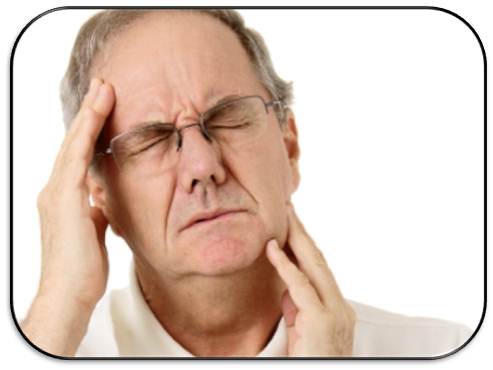 When muscle imbalance is a contributing factor, the TMJ
attempts to compensate for the misalignment. Normally, TMJ motion is smooth and
coordinated, allowing the jaw to move in several directions including side to
side, forward / backward and open / close. When the movement becomes imbalanced,
the result is increased strain on the ligaments and the muscles of the jaw. This
can lead to a number of symptoms including jaw and facial pain, clicking and
popping when opening and closing the mouth, difficulty opening the jaw, neck
pain and headaches.
When muscle imbalance is a contributing factor, the TMJ
attempts to compensate for the misalignment. Normally, TMJ motion is smooth and
coordinated, allowing the jaw to move in several directions including side to
side, forward / backward and open / close. When the movement becomes imbalanced,
the result is increased strain on the ligaments and the muscles of the jaw. This
can lead to a number of symptoms including jaw and facial pain, clicking and
popping when opening and closing the mouth, difficulty opening the jaw, neck
pain and headaches.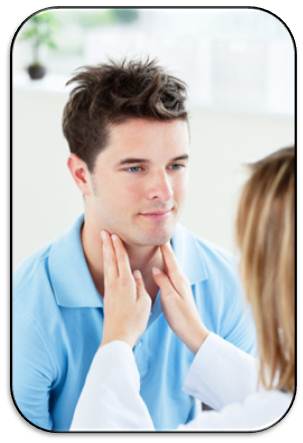 A dentist can evaluate TMJ problems and may recommend a
dental appliance or dental work. However, if TMJ dysfunction is associated with
headache or pain in the jaw, neck or shoulders, ask for a referral to a physical
therapist.
A dentist can evaluate TMJ problems and may recommend a
dental appliance or dental work. However, if TMJ dysfunction is associated with
headache or pain in the jaw, neck or shoulders, ask for a referral to a physical
therapist.